

Calcination Process
Calcination is a thermal process in which raw petroleum coke is heated to temperatures of approximately 1200–1350°C in order to:
-
Remove moisture, volatile matter, and light gases
-
Increase density, electrical conductivity, and carbon purity
-
Improve its crystalline structure, making it suitable for electrical applications
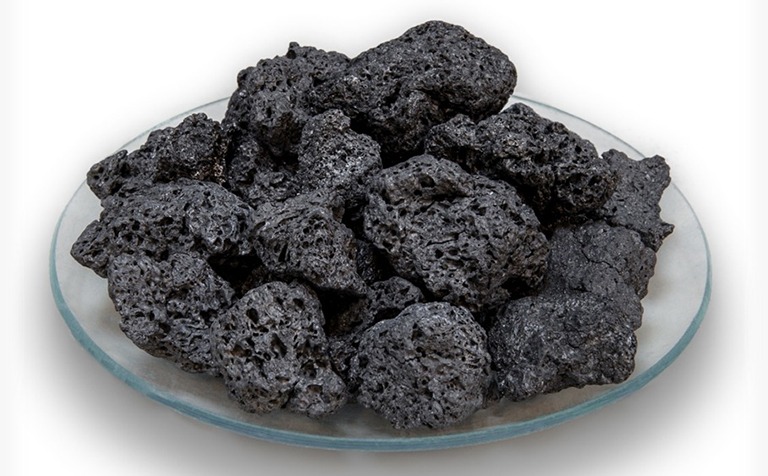
The final product of this process is Calcined Petroleum Coke (CPC), a key material in the production of aluminum anodes, graphite electrodes, and ferroalloys.
Types of Calcination Methods
Rotary Kiln:
-
The most common industrial method. Raw coke is heated in a horizontal rotary kiln with indirect flame to high temperatures.
-
Countries with large-scale petroleum refining and coke production mainly use rotary kiln technology.
-
This method is preferred in large industrial units due to its high capacity, uniform thermal control, and continuous production capability.
Vertical Shaft Calciner:
-
Suitable for lower capacities with high energy efficiency and lower pollution.
-
In this method, raw coke is heated in a vertical column under a controlled flow of hot gases.
-
Advantages include lower energy consumption, reduced pollution, and higher thermal efficiency; however, its production capacity is limited compared to rotary kilns.